The rear of a vehicle can sustain damage in several everyday situations. Reversing into a post, misjudging the distance to another car, or being struck in slow-moving traffic can leave a hatchback with dents, scratches, cracked exterior panels, or visible misalignment. Even a relatively small incident can make the rear of a vehicle look considerably different.
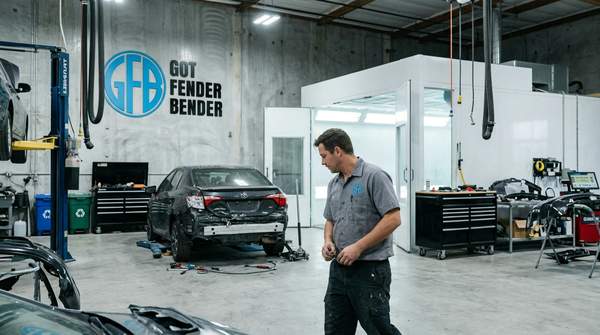
At Got Fender Bender, we provide minor collision and auto body repair in Bellevue, Washington, including hatchback repair. We understand that rear body damage can be frustrating, particularly when the vehicle is otherwise in good condition. Our aim is to assess the affected area and identify an effective repair approach based on the actual condition of the vehicle.
Why Hatchback Damage Deserves Proper Attention
A hatchback combines several exterior and functional elements into one rear assembly. Depending on the vehicle, the rear section may include a large liftgate, exterior trim, a window, lights, a bumper, and adjoining body panels. An impact can affect one visible section or leave damage across several connected areas.
A dent in the hatchback panel may be relatively straightforward to identify, but the surrounding areas deserve attention too. The panel's shape, edges, and alignment all contribute to how the rear of the vehicle looks when the hatch is closed. Scratches and paint damage can also make an otherwise minor impact much more noticeable.
Some incidents leave a large crease or distorted surface. Others cause smaller marks around the edges of the rear panel or near the bumper. The location and severity of the damage determine what type of work may be necessary.
We assess the damaged area rather than relying on the size of the visible mark alone. A proper evaluation helps establish whether the affected exterior panel can be repaired or whether another solution needs to be considered.
Common Situations That Cause Rear Body Damage
Drivers encounter rear-end damage in places where visibility and available space can be limited. Parking garages, crowded shopping centers, residential driveways, and busy streets all present opportunities for accidental contact.
Common examples include:
- Reversing into a fixed object such as a post, wall, or bollard.
- Misjudging the distance between the vehicle and another car while parking.
- Sustaining a low-speed rear impact in traffic.
- Catching the hatchback against an overhead obstruction or garage door.
- Scraping the rear bodywork while maneuvering in a narrow space.
The resulting damage can vary considerably. One incident may leave a small dent, while another can affect the hatchback panel, bumper, and surrounding finish. That is why we recommend having visible collision damage assessed before deciding what work is appropriate.
Appearance, Alignment, and the Finished Result
The rear of a vehicle is one of its most recognizable design areas. Hatchback panels often have distinctive curves, sharp character lines, and sculpted surfaces. A repair that leaves an uneven contour or inconsistent paint finish can remain noticeable even after the original damage has been addressed.
We pay attention to the appearance of the repaired area and its relationship to the surrounding bodywork. Surface preparation is important because paint cannot produce a consistent result over an improperly prepared surface. Sanding and blending help create a finish that sits more naturally alongside the existing paint.
The objective is to restore the appearance of the affected area as effectively as the vehicle's condition allows. The appropriate method depends on the material, severity of the damage, and condition of the surrounding panel.
It is equally important to mention any functional concerns. If the hatchback has become difficult to open or close, if the edges appear uneven, or if the rear panel no longer sits correctly, explain this when arranging an assessment. Those observations help identify what needs attention beyond the visible surface.
How We Assess Hatchback Repair Requirements
At Got Fender Bender, we assess the damage before determining the most effective repair method. We consider the affected panel, the extent of the visible damage, and the work required to achieve an acceptable result.
A repairable exterior panel may need reshaping, preparation, and refinishing. More extensive damage can require additional work or a replacement component. We do not assume that every hatchback incident has the same solution because vehicles and collision conditions differ.
Our repair philosophy also takes resource use into consideration. We recycle wherever possible and purchase remanufactured and recycled auto parts when suitable. This helps reduce the demand for newly manufactured components and can make certain repairs more economical.
The availability and suitability of used or remanufactured parts depend on the vehicle and the specific job. We consider these options where they make sense rather than promising that every component can be sourced this way.
Preparing to Request a Hatchback Repair Estimate
A useful first step is to identify all the areas affected by the incident. Look at the hatchback panel, rear bumper, nearby quarter panels, and the visible edges around the rear of the vehicle. If you notice several damaged areas, include each one when describing the repair.
You should also note any functional changes. Difficulty opening the hatch, a change in how it closes, or unusual gaps around the panel can be useful information for the assessment.
When you contact us, provide the vehicle's make and model and explain how the damage occurred if you know. Describe the affected areas and any concerns about the hatchback's operation. We can discuss the project and help arrange the next step toward an estimate.
An accurate repair plan depends on the condition of the vehicle. We therefore avoid treating a brief description as a substitute for an assessment of the actual damage.
Why Repair Experience and Warranty Coverage Matter
A hatchback repair involves visible bodywork that can be difficult to overlook. The finished surface should complement the rest of the vehicle, and the work should be completed with attention to detail.
We have operated independently since 2004, providing minor collision and body-panel repair in Bellevue and the surrounding Eastside area. Our technicians continually undergo training to keep up with today's automotive technology, and we place importance on professionalism throughout the repair process.
We also back our repairs with a one-year warranty. Parts warranties can vary according to the manufacturer, so customers should confirm the coverage that applies to any particular component.
Our goal is to provide practical service while keeping customers informed about the repair work their vehicles need. We understand that arranging bodywork can disrupt daily routines, which is why clear communication and realistic expectations are important parts of the experience.
Hatchback Repair for Bellevue and Eastside Drivers
Rear body damage does not have to remain an eyesore simply because the vehicle is still drivable. An assessment can help determine the condition of the hatchback and identify the work needed to improve its appearance.
At Got Fender Bender, we help drivers with minor collision repairs and exterior bodywork, including hatchback damage. We serve Bellevue and nearby Eastside communities from our location at 13285 NE 20th St., Bellevue, WA 98005.
If your hatchback has dents, scratches, or other visible collision damage, contact us to discuss the condition of your vehicle. Call (206) 755-0968 to speak with us about an estimate and the repair options worth considering.
Interested in Selling or Donating Your Vehicle?
If you're considering selling or donating your vehicle, we may be able to help. At Got Fender Bender, we work with several nonprofit organizations to refurbish vehicles and help them find new homes. This opportunity is available to vehicle owners living within the Bellevue or Kirkland city limits.
We accept inquiries about cars, trucks, and SUVs that are no more than 25 years old and in at least fair to good condition. Ideally, vehicles should also be running. Our goal is to give dependable vehicles that need a little extra attention a second chance by helping restore them and get them back on the road.
Whether you're thinking about selling a vehicle or donating it to support this initiative, we welcome you to learn more about the program. It's another way we contribute to the local community while helping usable vehicles find a new purpose.
Visit our vehicle selling and donation page to learn more about eligibility and how to get started.