Choosing an outdoor knife comes down to one question: what will you actually do with it? The three main fixed-blade archetypes—bushcraft, survival, and general camp/hunting knives—represent three different design philosophies, and each prioritizes different features. Pick the one that matches your primary activity, then work through two core construction decisions: blade material and tang design. Get those right, and the rest of the knife falls into place.
Understanding Outdoor Knife Archetypes
These categories exist because no single knife does everything well. A blade optimized for fine woodworking is a different animal from one built to chop and pry through an emergency. Recognizing which archetype fits your needs is the first and most important step.
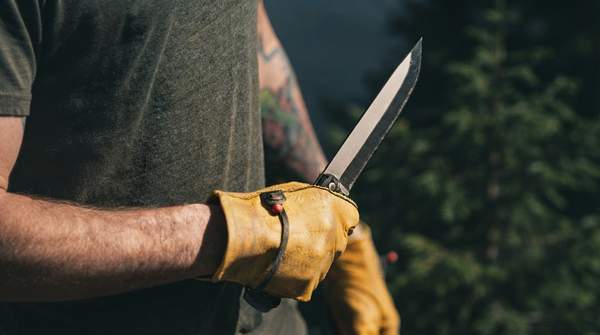
Bushcraft knives are built for wilderness living skills, especially wood processing and crafting. As Carryology contributor Piotr Ma frames it, this category is about capability in the wild: cutting, chopping, and even wood splitting when needed. Robert Kavanaugh's guide at Ragweed Forge emphasizes that bushcraft enthusiasts prioritize precision and control, with features like a Scandinavian grind, a sharp spine for fire-starting, and excellent edge retention. These knives excel at feather sticks, carving, trap-making, shelter building, and detailed woodworking.
Survival knives are the heavy-duty generalists. They are designed for emergency situations, and as trekfuse.com's gear review notes, they often carry extra features like lanyard holes, fire starters, or built-in signal mirrors. Michael Harper's guide at Patriot Tactical adds that they frequently include a serrated edge, a robust tang, and survival tools integrated into the handle. The priority here is durability and multi-functionality under duress.
General camp and hunting knives are the versatile all-rounders. They handle food preparation, rope cutting, light carving, and routine campsite chores. Yashka Designs' buyer guide confirms that many outdoorsmen deliberately prefer one versatile knife that spans hunting, camping, and food prep rather than carrying specialized tools.