Cold exposure therapy—cold plunges, cold showers, and deliberate cooling—can support metabolism, post-exercise recovery, and stress resilience in men, but its timing matters more than most beginners realize. Research suggests that immersing yourself in cold water immediately after resistance training may blunt the muscle-building signals that drive hypertrophy, while the same practice used for general recovery can reduce inflammation and soreness. The practical answer for most men is a simple rule: match the timing of cold exposure to your primary fitness goal, and start conservatively with clear safety guardrails.
Understanding Cold Exposure: Benefits for Men
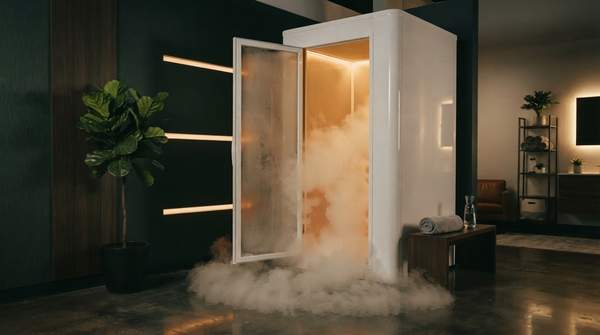
Cold water immersion works by triggering the body's ancient adaptive responses to stress. According to health journalism covering the practice for men, regular cold exposure may help manage cortisol levels and support hormonal health, activate brown fat to boost metabolic rate, improve circulation, and flush metabolic waste for faster muscle recovery. The same reporting notes that the practice strengthens the nervous system in ways that enhance mental resilience and clarity.
These are purported benefits with varying degrees of scientific support, not settled conclusions. A medical review by Alexes Hazen, MD, emphasizes that research on gender-specific responses to cold therapy is still evolving, and individual experiences can vary significantly based on body composition, fitness level, and prior cold exposure. Studies on men have shown potential for increased metabolism and improved insulin sensitivity, but the evidence base remains active rather than definitive.
For men specifically, the interest tends to cluster around three goals: metabolic support, faster recovery between training sessions, and building the capacity to stay calm under stress. Each of these has a plausible physiological rationale, and each carries its own caveats.
Physiological Mechanisms: Metabolism, Recovery, and Resilience
The metabolic case rests on brown fat activation. Unlike ordinary fat tissue, brown fat burns energy to generate heat, and cold exposure is its primary trigger. When activated, it raises metabolic rate, which is why cold therapy is often discussed as an adjunct to weight management. The insulin-sensitivity findings in men, while preliminary, add a metabolic dimension beyond simple calorie burn.
Recovery works through circulation and inflammation. Immersion in cold water significantly improves circulation and helps flush metabolic waste from exercised muscles, and Mayo Clinic Health System's sports medicine coverage notes that research indicates icy water may have a positive effect on recovery after exercise by reducing inflammation and soreness. The mechanism is essentially plumbing: cold constricts blood vessels, then rewarming restores flow, helping clear the byproducts of hard training.
Mental resilience is the least quantifiable but arguably the most transferable benefit. Huberman Lab's overview of deliberate cooling describes cold exposure as a tool for building resilience through controlled exposure to stress—learning to remain calm and mentally clear in an acutely uncomfortable situation, a skill that carries over to unexpected stressors in daily life. Over time, the same source notes, cold exposure may help regulate cortisol and lead to lower resting heart rate and blood pressure, with possibly improved overall cardiovascular health.
The Muscle Growth vs. Recovery Trade-Off for Men
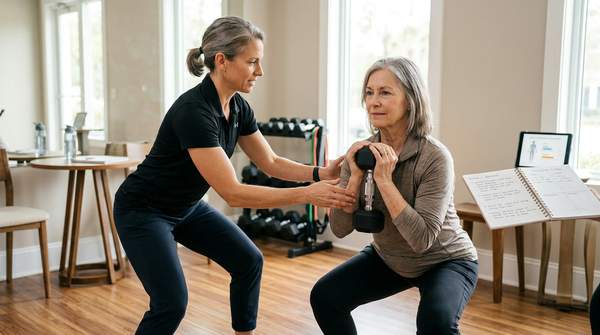
Here is the tension at the heart of cold exposure for training men: the same inflammation that cold water suppresses is part of the signal that tells muscle to grow. Some research suggests that immediate cold exposure after resistance training might blunt muscle hypertrophy signals in men, and the timing of cold plunges relative to workouts may be more critical for men focused on muscle growth than for anyone else.
Cleveland Clinic's guidance is blunt on this point: if you're trying to bulk up and build muscle, you might want to think twice about cold plunging after a workout. The reduction in inflammation and soreness that makes cold immersion valuable for recovery between competitions or endurance sessions is precisely what may short-circuit adaptation after a hypertrophy-focused lifting session.
This is not a reason to abandon cold exposure if you lift weights. It is a reason to sequence it deliberately. The trade-off dissolves when you separate the plunge from the training stimulus by several hours, or place it on non-lifting days entirely.
Cold Exposure Decision Framework for Men's Fitness Goals
Use this matrix to map your primary fitness goal to the optimal timing for cold exposure. The reasoning path is straightforward: first identify whether your current training block prioritizes muscle growth or recovery and general wellness; then apply the timing recommendation that follows from the muscle-protein-synthesis evidence.
| Primary Goal | Physiological Priority | Recommended Timing | Rationale |
|---|---|---|---|
| Maximizing muscle growth (hypertrophy) | Preserve post-training muscle-building signals | Avoid immediate post-lifting immersion; separate cold exposure from resistance workouts by several hours or use non-lifting days | Immediate cold exposure after resistance training may blunt muscle hypertrophy signals in men |
| Recovery for endurance or general wellness | Reduce inflammation and soreness | Cold exposure can be used post-workout | Research indicates cold water immersion may aid exercise recovery by reducing inflammation and soreness |
| Metabolic and stress-resilience goals | Brown fat activation, cortisol regulation | Any consistent schedule, ideally away from lifting sessions | Studies on men show potential for increased metabolism and improved insulin sensitivity; regular exposure may help regulate cortisol |
The framework's output is a clear recommendation: if your main goal is building muscle, keep the plunge and the barbell several hours apart; if your main goal is recovery or general resilience, post-workout immersion is a reasonable option. A man in a muscle-building block who still wants the mental-resilience benefit could, for example, plunge in the morning and lift in the evening—a schedule that satisfies both objectives without conflict.
Starting Safely: A Beginner's Checklist for Cold Exposure
Cold exposure is not risk-free, and the risks are cardiovascular before they are anything else. When cold water constricts your blood vessels, it raises blood pressure and forces the heart to work harder, which Cleveland Clinic flags as dangerous for people with heart conditions, hypertension, or elevated stroke risk. Prolonged exposure to very cold temperatures can also cause hypothermia and frostbite, so limit immersion time and monitor how your body responds. This article is not medical advice and is intended for healthy individuals.
Before your first session, work through this checklist:
- Consult a doctor first if you have any cardiovascular condition, high blood pressure, or other pre-existing health concerns—men with certain heart conditions should not begin without medical clearance.
- Start with warmer temperatures and short sessions—build tolerance gradually rather than beginning with the coldest water you can tolerate.
- Limit immersion time and watch for numbness or reduced motor control, which can make exiting the water difficult.
- Never practice deliberate hyperventilation before or during immersion, and never get into a dangerous body of water.
- Expect discomfort—the initial shock is intense for beginners, and enduring it calmly is part of the practice, not a sign something is wrong.
Men with diabetes or poor circulation should also check with a physician before starting, since cold stress interacts with these conditions. If any chest discomfort, dizziness, or unusual shortness of breath occurs, exit the water immediately.
Making an Informed Decision on Cold Exposure
Men should carefully consider their primary fitness goals when deciding if and when to incorporate cold exposure therapy, prioritizing safety and consulting a healthcare professional if they have underlying health conditions. The evidence supports a conditional practice, not a universal prescription: recovery and metabolic benefits have research behind them, the muscle-growth trade-off is real enough to plan around, and the mental-resilience benefit is a skill built through consistent, controlled exposure.
The measurable indicator of success is simple: the reader identifies their fitness goal—muscle growth or recovery—and selects an appropriate cold exposure timing to match, or recognizes the need for medical consultation before starting. If you can state, in one sentence, when your next plunge happens relative to your next lifting session and why, you have made the decision well.
Sources
- 13 Reasons Why Cold Plunges Are Good for Men — Los Angeles Times
- The Chilling Truth: Exploring the Pros and Cons of Cold Therapy and Plunges (For Women and Men) — Alexes Hazen MD
- Cold Plunges and Deliberate Cooling — Hubermanlab
- Health Benefits of Cold Plunges — Cleveland Clinic