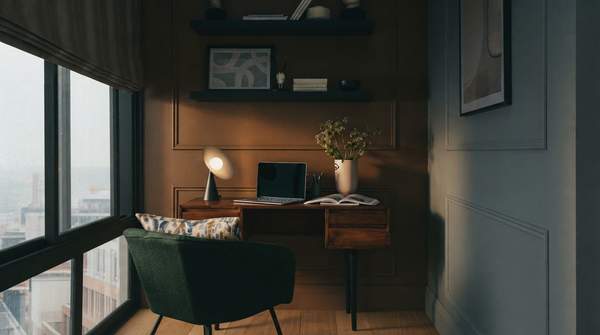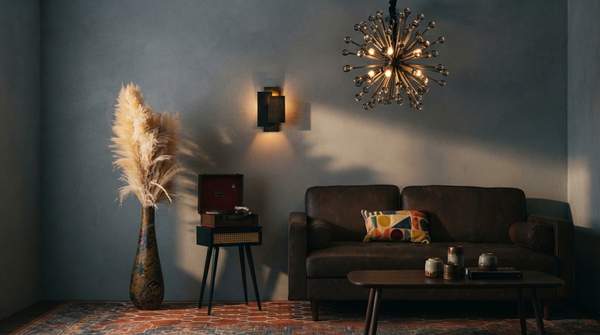
A well-lit room almost never relies on a single fixture. Designers consistently recommend combining three layers of light: ambient lighting for overall illumination, task lighting for specific activities, and accent lighting to highlight features and add visual interest. Applied together, these layers let a room serve multiple purposes across the day, from focused work to relaxed evenings. Here is how to choose and place fixtures for each layer in the living room, kitchen, and bedroom.
The Three Layers, Defined
Ambient lighting is the foundation of any lighting plan. It provides the base light level that lets people move safely and comfortably through a space, typically from overhead sources such as chandeliers, recessed lights, flush mounts, or ceiling fans with integrated lights. Without it, a room feels dim and impractical no matter how many smaller lamps you add.
Task lighting is focused light aimed at a specific activity—reading, chopping vegetables, working at a desk, or getting dressed. Because it concentrates light where the work happens, it supplements ambient light rather than replacing it. Fixtures such as table lamps, floor lamps, bedside lamps, pendant lights, and under-cabinet lighting all serve this function.
Accent lighting adds the third dimension: drama and depth. It draws the eye to artwork, architectural details, shelving displays, or other focal points. Wall sconces, picture lights, and LED strip lights are common choices. As Marymount University's design guidance explains, matching lighting to its intended purpose ensures both functionality and ambiance—bright, cool-toned light enhances focus in work areas, while warm, dimmer light promotes relaxation in living spaces.
Layered Lighting in the Living Room
The living room is the most multi-purpose space in most homes, which makes layering especially valuable here. Start with the ambient layer: overhead fixtures such as chandeliers and recessed lighting provide ample general illumination, according to lighting manufacturer Visual Comfort's guidance on layered home lighting. A ceiling fan with an integrated light kit can serve the same role while adding air circulation.
Next, add task lighting around wherever specific activities happen. Table lamps and floor lamps can illuminate areas for reading, board games, puzzles, or other seated activities. Position a floor lamp beside the main reading chair and table lamps near seating groups so the light falls where the activity occurs rather than in the middle of the room.
Finally, use accent lighting to give the room character. Wall sconces or LED strip lights can highlight points of visual interest—artwork, a fireplace surround, shelving, or architectural details. Because a living room shifts from daytime activity to evening relaxation, this is also the space where dimmers pay off most: the same layered plan can deliver bright, functional light for a busy afternoon and warm, low light for unwinding in the evening.
Layered Lighting in the Kitchen
The kitchen is the room where task lighting matters most, because food preparation demands clear visibility at the countertop. Begin with the ambient layer: ceiling fixtures such as recessed lights or flush mounts provide the foundational general illumination that keeps the whole room usable.
Then concentrate the task layer over work surfaces. Pendant lights or under-cabinet lighting illuminate task areas like islands, countertops, and sinks. Under-cabinet fixtures are particularly effective because they place light directly onto the counter, eliminating the shadow your own body casts when you work under a ceiling fixture alone. Pendants work well over islands, where they can hang at a height that lights the surface without blocking sightlines.
The accent layer in a kitchen is often about display. Backlighting can be installed on open shelving to accentuate decorative items such as glassware or ceramics, adding aesthetic appeal to what would otherwise be purely functional storage. Following Marymount's principle of matching light to purpose, kitchens benefit from brighter, cooler-toned task lighting that improves visibility for preparation, while the accent layer softens the room's overall character in the evening.
Layered Lighting in the Bedroom
The bedroom's lighting plan should tilt toward comfort and calm. For the ambient layer, ceiling fans with integrated lights, a smaller chandelier, or semi-flush mounts provide overall illumination without overwhelming the space. Because bedrooms call for softer illumination for comfort, this base layer benefits from dimming more than in any other room.
Task lighting centers on the bedside. Bedside lamps offer focused light for reading or working in bed without forcing one partner to tolerate a fully lit room. A floor lamp can serve the same role where nightstands are small, and it can double as reading light for a chair or window seat.
For the accent layer, wall sconces or LED strips add a calming atmosphere by washing light across walls or behind the headboard rather than pointing it at the bed. This low, indirect light supports the room's primary purpose—rest—while still giving the space depth and visual interest during evening hours.
Layered Lighting Application by Room
The table below maps each of the three lighting layers to the distinct activities and features of the three rooms, so you can identify the appropriate fixture types for your own space at a glance.
| Room | Ambient Lighting (Purpose & Fixtures) | Task Lighting (Purpose & Fixtures) | Accent Lighting (Purpose & Fixtures) |
|---|---|---|---|
| Living Room | Overall illumination for safe movement and comfort; chandeliers, recessed lighting, or ceiling fans with integrated lights | Focused light for reading, games, and puzzles; table lamps and floor lamps beside seating | Highlights points of visual interest such as artwork and architectural details; wall sconces or LED strip lights |
| Kitchen | General illumination for the whole room; recessed lights or flush mounts | Illuminates islands, countertops, and sinks for food preparation; pendant lights or under-cabinet lighting | Accentuates decorative items on open shelving; backlighting |
| Bedroom | Sets the general mood with softer illumination; ceiling fans with integrated lights, smaller chandeliers, or semi-flush mounts | Supports reading or working in bed; bedside lamps or floor lamps | Creates a calming atmosphere; wall sconces or LED strips |
Read the table by layer as well as by room: the ambient column always answers "can I move through this space comfortably," the task column answers "can I do what I actually do here," and the accent column answers "does the room have depth and focal points." A room that fails any one of those questions has a missing layer, not a missing bulb.
Key Considerations for Your Lighting Plan
Before buying fixtures, run through this checklist to make sure your layered plan stays flexible and harmonious:
- Incorporate dimmers for flexibility. Rooms serve multiple uses across the day, and dimmers let one layered plan shift from bright functional light to relaxed evening light without adding fixtures.
- Maintain consistent color temperature. Mixing warm and cool bulbs in the same space creates a disjointed feel; keep tones consistent within a room, and reserve cooler, brighter light for work areas and warmer, dimmer light for relaxation spaces.
- Plan for multiple activities. Map each layer to what actually happens in the room—a living room that hosts reading and games needs task lamps at those spots, not just a central overhead fixture.
- Match light to purpose. Kitchens and work areas benefit from task lighting that improves visibility, while bedrooms and lounges require softer illumination for comfort.
- Choose fixture types, not brands. Recommendations here are by category—pendant, sconce, flush mount—so you can select styles and budgets that suit your home.
One boundary worth noting: this guide covers principles and fixture selection, not electrical installation. Any work involving new wiring or fixture replacement should go to a qualified electrician.
Achieving a Harmonious Home Lighting Design
The decision to make is straightforward: implement a layered lighting plan by combining ambient, task, and accent lighting, ensuring flexibility with dimmers and consistency in color temperature. Rather than asking whether a room is "bright enough," ask whether each layer is present and doing its job—overhead fixtures for the base, focused lamps at activity zones, and accent light on the features worth noticing.
You will know the plan has worked when the room feels balanced, functional for all activities, and aesthetically pleasing, with adjustable light levels for different moods and times of day. That is the measurable outcome: a living room that supports both a puzzle afternoon and a quiet evening, a kitchen where counters are shadow-free for prep, and a bedroom that dims toward rest. Start with one room, verify all three layers are present, and adjust placement until each activity in the room has light where it is actually used.
Sources
- Lighting Design: Techniques to Transform Interior Spaces — Marymount University
- How to Layer Lighting for Stunning Ambiance at Home — Visual Comfort & Co.