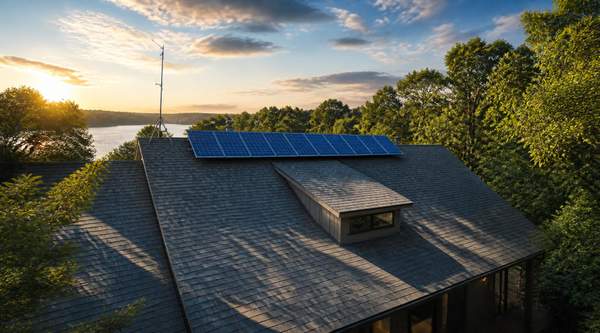
For Alaska homeowners, energy planning involves more than choosing a way to generate electricity. Long winters, changing daylight conditions, severe weather, remote communities, and the consequences of power outages can make reliability an important consideration alongside energy costs.
Gensolar provides solar, battery, and generator solutions for Alaska homes and businesses. Based in Fairbanks, the company offers residential and commercial solar installations, battery storage, Tesla Solar and Powerwall solutions, Generac standby generators, and larger generator systems.
For homeowners interested in greater control over their energy use, understanding how these technologies work together is an important first step.
What Is Gensolar and Why Does It Matter for Alaska?
Gensolar is an Alaska-based energy solutions provider focused on solar generation, energy storage, and backup power. Rather than limiting its services to solar panels, the company offers several technologies that can address different aspects of a property's energy requirements.
A solar system can generate electricity on-site. Battery storage can retain energy for later use and provide backup power during qualifying outages. A standby generator can add another layer of backup when longer-duration power support is needed.
This combination is particularly relevant to homeowners who view resilience as an important part of their energy strategy. The appropriate configuration, however, depends on the property, electricity consumption, desired backup loads, available space, and budget.
Gensolar's website describes its approach as providing customized energy solutions and emphasizes a process that includes consultation, assessment, installation, and support.
Understanding the Key Components of an Alaska Home Energy System
Homeowners do not need to become energy engineers to understand the basics of these systems. Each component serves a different purpose:
- Solar panels: Convert sunlight into electricity for use by the property.
- Battery storage: Stores electricity for later use and can provide backup power when appropriately configured.
- Standby generators: Provide another source of backup electricity when utility power is interrupted.
- Net metering: Allows eligible customers to receive credits under applicable utility programs for qualifying electricity supplied to the grid.
- Energy independence: Generally refers to reducing dependence on utility-supplied electricity; the degree of independence depends on the system design.
- Microgrid: A localized electrical system that can operate with or without connection to the larger utility grid under appropriate conditions.
Gensolar offers several of these technologies and can help customers determine which combination fits their property.
How Solar, Batteries, and Generators Can Work Together
The value of an integrated system comes from giving each technology a distinct role.
During periods of solar production, panels can generate electricity for the property. Depending on the system configuration, excess energy can be directed to battery storage rather than being immediately consumed. That stored energy can then be used later when solar production is lower.
Battery systems such as Tesla Powerwall and Generac PWRcell are designed for energy storage and backup applications. Gensolar currently offers both technologies, along with EcoFlow battery solutions.
During a utility outage, a properly configured battery can provide backup power to selected loads or, where the system is designed for it, a larger portion of the home. The amount of time the battery can provide power depends on its capacity and the electrical demand placed on it.
A standby generator can provide another layer of resilience. Gensolar offers Generac Guardian home standby generators, which its website says can operate automatically during an outage and can be configured to support an entire home or selected essential loads.
This layered strategy does not mean every property will operate independently from the grid indefinitely. Instead, it gives homeowners multiple ways to generate, store, and access electricity based on their particular energy needs.
Why Solar and Battery Storage Matter for Alaskans
Solar can give homeowners another source of electricity generation, potentially reducing the amount of power they need to purchase from a utility. Battery storage adds flexibility by allowing electricity to be stored and used when it is most needed.
Alaska's solar environment can also be misunderstood. Cold temperatures themselves do not prevent photovoltaic panels from operating; solar panels can perform efficiently in cold conditions. However, Alaska's seasonal variation in daylight is an important factor when estimating annual energy production.
That is why a property-specific assessment is more useful than assuming that a particular system size will work for every Alaska home.
Gensolar's solar process includes an energy assessment intended to evaluate a property's solar potential and potential savings. This allows factors such as energy consumption, site conditions, and system requirements to be considered before installation.
Battery storage can then complement solar by providing a way to use stored energy when solar generation is unavailable or when the grid experiences an outage.
The Gensolar Approach to Alaska Energy Resilience
Gensolar's main advantage is the breadth of its energy offering. Customers can explore solar generation, battery storage, and generator backup through one provider rather than necessarily having to coordinate separate contractors for each technology.
The company offers Tesla Powerwall, Generac PWRcell, EcoFlow battery systems, and Generac home standby generators. Its broader generator portfolio also includes diesel and dual-fuel options for applications beyond the standard residential standby market.
The distinction matters because a company's equipment partnerships and product offerings can be verified directly, while certification titles should only be used when the credential itself can be confirmed.
What About the Cost of Going Solar?
Financial considerations are understandably important when evaluating a solar installation.
Gensolar states that most of its solar systems are designed to pay for themselves within three to eight years. That figure should be viewed as a company-stated estimate rather than a guaranteed outcome for every homeowner. Actual payback can vary according to system size, household electricity consumption, solar production, utility rates, financing, incentives, and other project-specific factors.
Alaska's energy costs can make reducing grid electricity consumption attractive, but homeowners should evaluate the economics of their specific property rather than assume that every system will achieve the same return.
A professional energy assessment can provide a more meaningful starting point for that calculation.
What Role Does the Renewable Energy Grant Fund Play?
Alaska has supported renewable energy development through its Renewable Energy Fund. In 2023, legislation removed the fund's sunset date, allowing the program to continue rather than expire under the previous schedule.
However, this should not be interpreted as a blanket residential solar rebate. The Renewable Energy Fund supports qualifying renewable-energy projects, and availability and eligibility depend on the specific program and funding.
Homeowners considering solar should therefore investigate current federal, state, utility, and local incentives applicable to their particular project rather than assuming that a general state renewable-energy program will directly offset the cost of a residential installation.
Getting Started with Gensolar
For homeowners who are not sure whether solar, battery storage, generator backup, or a combination makes sense, the first step is an assessment rather than an equipment purchase.
Gensolar describes its process as beginning with a risk-free consultation. The company can discuss the customer's energy objectives, answer questions about solar and battery systems, and evaluate the property's requirements.
For solar customers, Gensolar says the process includes an energy assessment followed by system design and installation. The company also provides support after installation.
That process gives homeowners an opportunity to evaluate their options based on actual energy requirements rather than selecting a standardized package.
Takeaway: A More Informed Approach to Alaska Energy
Energy independence can mean different things to different homeowners. For some, it may mean reducing utility electricity consumption. For others, the priority may be maintaining essential power during an outage or combining several technologies to create a more resilient home energy system.
Solar, batteries, and generators each address different needs. When properly designed, they can complement one another and give homeowners more flexibility in how they generate, store, and access electricity.
Gensolar brings these technologies together through an Alaska-based operation serving residential and commercial customers. Its combination of solar installations, battery storage, and backup-generation solutions gives Alaska property owners an opportunity to evaluate a broader energy strategy with one provider.
For homeowners considering the transition, the most useful first step is determining what their property actually needs. A professional consultation and energy assessment can help establish whether solar, storage, backup generation, or a combination of the three is appropriate.
Frequently Asked Questions About Gensolar in Alaska
How do Alaska's cold winters affect solar panels?
Cold temperatures themselves do not prevent solar panels from operating efficiently. However, Alaska's shorter winter daylight hours can reduce total solar production during certain periods of the year. System design should therefore account for seasonal production, household energy consumption, and the customer's desired level of backup.
What is the typical payback period for a Gensolar solar system?
Gensolar states that most of its solar systems are designed to pay for themselves within three to eight years. This is a company-stated estimate, not a guarantee. The actual timeframe depends on the individual property's energy consumption, system size, solar production, utility rates, financing, incentives, and other factors.
Does Gensolar offer more than solar panels?
Yes. Gensolar offers residential and commercial solar, battery storage, and generator solutions. Its current battery offerings include Tesla Powerwall, Generac PWRcell, and EcoFlow DELTA Pro, while its generator portfolio includes Generac home standby systems and larger generator solutions for other applications.
What does the Gensolar installation process involve?
Gensolar says its process begins with a risk-free consultation, followed by an energy assessment for solar projects. The company then handles system installation and provides support after the system is operational. The assessment helps determine what type and size of system is appropriate for the property's energy requirements.