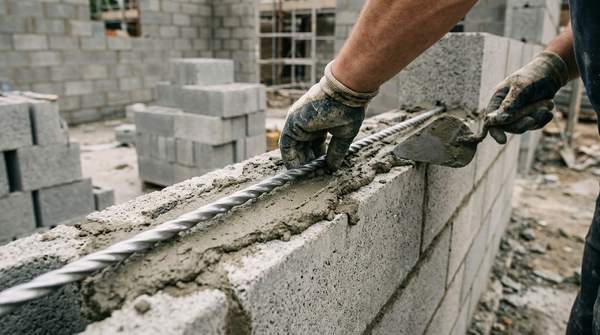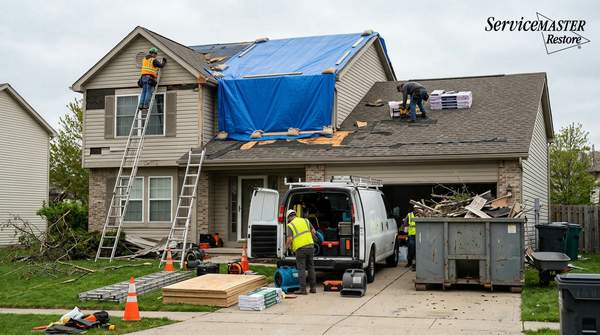
When a property experiences significant damage, removing debris and cleaning affected areas are only part of the recovery process. Walls may need replacement, flooring may require rebuilding, and damaged structural components may need repairs before the property can return to normal use.
For homeowners and business operators, understanding what happens after the initial restoration work is essential to planning a successful recovery. ServiceMaster Disaster Associates provides restoration and reconstruction services to help property owners address the different stages of recovering from disaster-related damage.
Reconstruction is often the stage that turns an initially stabilized property into a functional living or working environment again. It requires careful planning, an understanding of the damage, and coordination between the different tasks involved in rebuilding affected areas.
Why Cleanup and Reconstruction Are Different Stages
The first priority after a property disaster is generally to address immediate concerns and prevent additional damage. Depending on the incident, this can involve water extraction, drying, debris removal, emergency board-up, cleaning, or other mitigation measures.
These activities help stabilize the affected property and prepare it for further work. However, removing moisture or cleaning a damaged surface does not necessarily restore the building itself.
For instance, water intrusion may leave drywall, insulation, flooring, and trim unsuitable for continued use. Smoke exposure can affect surfaces that require more than ordinary cleaning. Severe weather may damage roofing, exterior materials, and interior finishes.
Reconstruction addresses the building components that need repair or replacement. Its scope depends on the findings from the initial assessment and the condition of the property after mitigation.
Recognizing this distinction helps property owners understand why restoration can involve several stages rather than one cleanup appointment.
Assessing the Property Before Rebuilding
A reconstruction project should begin with a clear understanding of what was damaged and what work is necessary.
The initial assessment helps identify affected rooms, building materials, and areas that require additional attention. Technicians and project personnel can use the available findings to determine which components may be retained and which require repair or replacement.
This evaluation is important because visible damage does not always reveal the full extent of the work involved. A wall with surface staining, for example, may also have concealed damage behind its finished materials.
The assessment should also consider how different repairs relate to one another. Replacing flooring before completing necessary work beneath it can create avoidable complications. Similarly, rebuilding an area before confirming that affected materials have been appropriately addressed may lead to further disruption.
A properly organized reconstruction plan establishes the work sequence and provides a clearer basis for coordinating the project.
Common Reconstruction Work Following Property Damage
The nature of reconstruction depends on the original incident, the building's condition, and the materials affected.
Residential projects may involve repairing or replacing drywall, flooring, ceilings, interior finishes, and other building components. Exterior repairs may also be necessary when storm damage affects roofing, siding, windows, or related structures.
Commercial properties can require a wider range of considerations. Damaged offices, retail areas, common spaces, and operational facilities may need repairs that account for employee access, equipment, customer movement, and business activities.
Depending on the project, reconstruction may involve:
- Removal and replacement of damaged drywall and interior finishes.
- Repair or replacement of affected flooring and trim.
- Interior painting and finishing.
- Carpentry and related building repairs.
- Coordination of necessary renovation work.
- Final preparation of restored areas for normal use.
Not every property requires all these services. The scope should reflect the actual damage rather than a predetermined package of repairs.
Why Coordination Matters Throughout Reconstruction
One of the more challenging aspects of property recovery is managing work that involves several related activities.
A project may require mitigation, material removal, cleaning, repairs, and finishing work. These tasks must be coordinated so that one stage does not interfere with another.
For example, replacement flooring should generally follow the completion of necessary work underneath it. Interior painting should take place after relevant repairs and surface preparation. Areas requiring additional cleaning should be addressed before final finishes are installed.
Poor coordination can result in repeated work, unnecessary delays, and avoidable inconvenience.
A structured project plan helps establish priorities and clarify which activities need to be completed before the next stage begins. It also gives property owners a better understanding of the work involved and the questions they should raise along the way.
ServiceMaster Disaster Associates offers reconstruction services as part of its restoration capabilities, helping customers address repairs following property damage.
Residential Reconstruction: Making a House Functional Again
For homeowners, reconstruction involves more than returning a damaged room to its previous appearance.
A property must also function properly as a living environment. Flooring needs to be suitable for everyday use, interior finishes should be properly installed, and affected areas must be ready for their intended purpose.
When several rooms are involved, the order of repairs can influence how comfortably a household manages the project. Homeowners may need to consider temporary access arrangements, the protection of unaffected possessions, and the practical implications of having contractors working in different areas.
Communication is particularly important when decisions about finishes, materials, and replacement components arise.
Homeowners should ask questions about the proposed work, understand which materials are being repaired or replaced, and clarify any decisions that may affect the final result.
A thoughtful reconstruction process keeps the focus on restoring the property as a usable home, not simply completing a list of isolated repairs.
Commercial Reconstruction: Considering Business Operations
Reconstruction in commercial buildings introduces additional considerations.
A damaged office, retail location, or other business property may need to be repaired while management considers employee safety, customer access, equipment protection, and operational requirements.
Some businesses may be able to continue using unaffected sections of their premises. Others may need to coordinate repairs around temporary closures or restricted access.
The reconstruction plan should account for these practical circumstances wherever possible. Clear communication about affected areas and the sequence of work can help managers make more informed operational decisions.
Commercial restoration may also involve coordinating cleaning, contents management, and other specialty services alongside reconstruction.
ServiceMaster Disaster Associates provides commercial restoration and reconstruction services, giving businesses a local resource for discussing the work required after a property loss.
Insurance Documentation and Repair Decisions
Reconstruction can raise questions about estimates, replacement materials, documentation, and insurance coverage.
Property owners should maintain records of the damage, restoration work, communications, and relevant project documentation. Photographs and written descriptions can also help create a clearer record of the property's condition.
Before approving major repair decisions, customers should understand the proposed scope and discuss any uncertainties with the appropriate restoration and insurance representatives.
ServiceMaster Disaster Associates assists customers in navigating the insurance process and working with insurance companies. However, the insurer determines coverage according to the applicable policy, and approval should not be assumed for every proposed repair.
Understanding this distinction helps property owners approach reconstruction with more realistic expectations.
Choosing a Restoration Provider With Reconstruction Capabilities
A restoration company that can address both initial mitigation and subsequent reconstruction can provide continuity throughout the recovery process.
Rather than treating emergency cleanup and rebuilding as unrelated problems, property owners can discuss how the different stages fit together. This may make communication and project coordination more straightforward.
ServiceMaster Disaster Associates serves residential and commercial properties throughout Greater Boston and surrounding communities, including areas in Massachusetts, New Hampshire, and the Maine Seacoast.
The company offers 24/7 emergency availability and a range of restoration services, including reconstruction. Its team can help property owners understand the work required and discuss appropriate next steps.
Move From Property Damage Toward a Finished Recovery
The end of the cleanup stage does not necessarily mean a property is ready for everyday use. Damaged building materials, unfinished repairs, and affected interior spaces may still need professional attention.
Reconstruction provides the next step toward restoring the property's function and appearance. With an appropriate assessment, clear communication, and coordinated repair work, property owners can approach this stage with greater confidence.
ServiceMaster Disaster Associates provides restoration and reconstruction services for homes and businesses across its New England service area. Contact the team to discuss your property's condition and learn how professional restoration can support the rebuilding process.