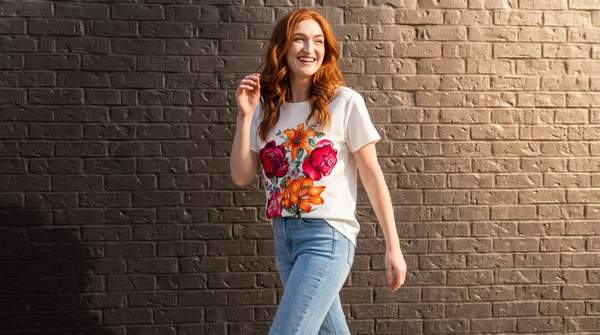
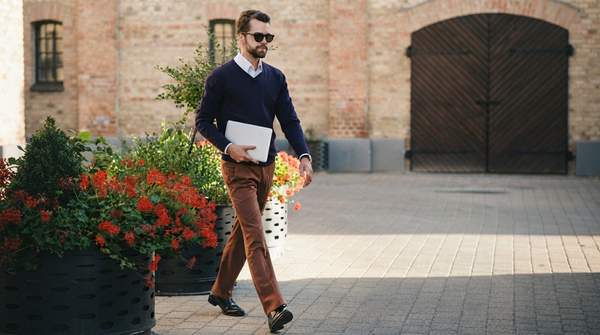
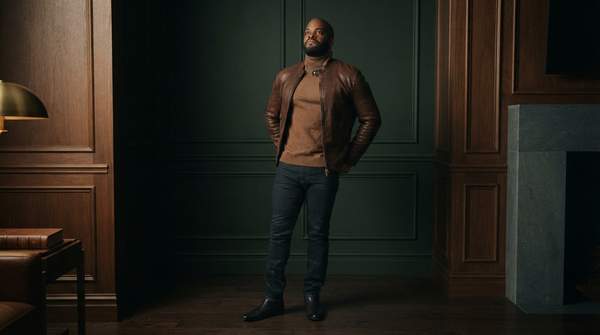
Nearly half of Gen Z (49.1%) confidently declares themselves 'more fashionable than most people,' according to YouGov data. The 49.1% figure significantly surpasses Millennials' self-assessment of 42.3%, signaling a new generation's assertive and self-assured grip on defining style and influencing current fashion trends to elevate your wardrobe.
The pursuit of a fashionable wardrobe once centered on brand prestige and classic staples, but it is now increasingly defined by a generation prioritizing social issues, environmental impact, and unique, digitally-curated aesthetics. This tension creates a clear divide in how different age groups approach style.
The future of fashion will be increasingly shaped by Gen Z's values, forcing brands and consumers alike to reconsider what 'current trends' truly entail beyond mere aesthetics. This shift demands an understanding of their distinct approach to style curation.
Who Defines 'Fashionable' Now?
Gen Z's self-perception of fashionability stands out, with 49.1% stating they are 'more fashionable than most people,' compared to 42.3% of Millennials, according to YouGov. This generational confidence extends to trend awareness, as 45.4% of Gen Z actively keep up with current trends, while only 40.8% of Millennials do.
Gen Z's strong self-identification with fashion and their proactive engagement with trends position them as the primary drivers of contemporary style. Their assertive stance suggests they are not just following trends, but actively shaping them, making their preferences crucial for anyone looking to update their wardrobe with current styles.
The significant gap in self-declared fashionability (49.1% Gen Z vs 42.3% Millennials, YouGov) combined with Gen Z's preference for 'resale finds, trend-driven content, and pop culture references' suggests that traditional luxury brands relying on heritage and exclusivity are increasingly out of step with a generation that equates fashion with personal curation and digital fluency, not just price tags.
The Values Driving Gen Z's Style Choices
Gen Z views fashion through a moral lens, with 60.2% believing that brands should address social issues, a higher percentage than Millennials at 53.8%, according to YouGov. This perspective extends to environmental concerns; 49.1% of Gen Z think fast fashion buyers do not care about the environment, compared to 43.71% of Millennials.
Consumers in this demographic expect clarity, transparency, and something worth sharing from brands, according to Printful. For Gen Z, fashion is not merely aesthetic but a powerful platform for expressing personal values and demanding accountability from brands.
Based on YouGov's data showing 49.1% of Gen Z believe fast fashion buyers don't care about the environment, brands failing to demonstrate genuine ethical and sustainable practices are not just losing sales, but are actively being perceived as unfashionable by the generation defining future style. For this group, a garment's ethical provenance is as crucial to its appeal as its design.
Beyond the Runway: How Gen Z Builds a Wardrobe
Gen Z's style is built from a dynamic mix of resale finds, trend-driven content, and pop culture references, as noted by Printful. This contrasts with Millennials, who are more likely to describe their shopping habits as 'I tend to stick to classic items' (10.3% vs. 8.9% for Gen Z), according to YouGov.
A fundamental divergence exists in what constitutes a timeless or valuable wardrobe piece, with Millennials valuing longevity and tradition, and Gen Z valuing currency and cultural relevance. Their aesthetic preferences also lean towards comfort and adaptability; 68% of Gen Z buyers prefer oversized clothing over regular-fitted garments, according to Analyzify.
A departure from purely retail-driven, classic-focused shopping is evident, indicating a more eclectic, personalized, and digitally-influenced approach to style curation. For Gen Z, creating a modern wardrobe involves active curation from diverse sources, prioritizing individual expression over established norms.
What This Means for the Future of Fashion
The broader fashion industry is responding to these shifts, with Spring 2026 Menswear characterized by easy dressing, fluid silhouettes, lightweight layers, pajama dressing, artisanal textures, and color, according to WWD. Spring 2026 Menswear trends like easy dressing, fluid silhouettes, lightweight layers, pajama dressing, artisanal textures, and color align closely with Gen Z's preference for comfort, adaptability, and individual expression.
The evolving runway trends, like fluid silhouettes and easy dressing, reflect a broader industry shift towards comfort and individual expression, aligning with Gen Z's aesthetic preferences. Brands that embrace these stylistic changes, alongside ethical considerations, will likely find greater resonance with this influential demographic.
For consumers, this means that updating a wardrobe is less about chasing specific brand names and more about understanding the underlying values and aesthetic preferences that define current fashion. The emphasis has shifted from rigid collections to a more adaptable, comfort-first, and individually assembled aesthetic.
Your Guide to Navigating New Trends
What are the biggest fashion trends for 2026?
Expect to see a continued emphasis on comfort and versatility, with fluid silhouettes and oversized garments remaining popular choices. Trends like pajama dressing and artisanal textures are also emerging, as noted in WWD's reporting on Spring 2026 Menswear, suggesting a move towards more relaxed yet refined styles.
How can I update my wardrobe with current styles?
Focus on incorporating pieces that reflect personal values, such as items from resale markets or brands with transparent ethical practices. Experiment with oversized fits and comfort-first designs, which are strongly favored by Gen Z consumers, making them essential pieces for a modern wardrobe in 2026.
What are essential pieces for a modern wardrobe in 2026?
A modern wardrobe in 2026 should include versatile, comfortable pieces like oversized shirts, wide-leg trousers, and adaptable layering items. Prioritize items that can be mixed and matched, allowing for individual expression and reflecting a blend of casual ease with thoughtful curation, often sourced from unique finds rather than exclusively new retail.
The New Rules of Style
The transformation in how we perceive current fashion trends to elevate your wardrobe is undeniable; it is no longer solely about what graces the runway. Instead, it is a complex interplay of personal values, digital influence, and a demand for ethical accountability from brands.
Ultimately, embracing current fashion trends means recognizing the evolving landscape where personal values and digital influence are as significant as design and brand. Gen Z's assertive approach has fundamentally redefined what it means to be fashionable.
Brands like Patagonia, known for its transparency and environmental commitment, continue to resonate strongly with value-driven consumers. By 2026, brands failing to align with these ethical and aesthetic demands risk alienating a significant portion of the market that prioritizes authenticity over traditional prestige.