
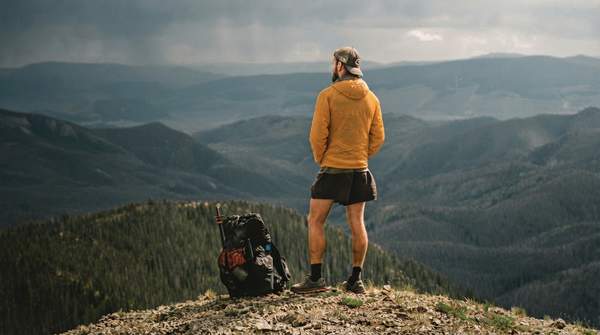
Packing for a multi-day backpacking trip is a careful negotiation between preparedness and weight. For a three-day journey, adopting a lightweight strategy moves beyond simply checking items off a list; it involves a deliberate process of evaluating gear to reduce your pack’s base weight without sacrificing essential safety or comfort. The core of this approach lies in understanding the trade-offs between standard equipment and their lighter alternatives, particularly for your shelter, sleep system, and the consumables you carry. By strategically managing the weight of your gear, food, and water, you can significantly lighten your load, making your time on the trail more enjoyable and less strenuous. This guide provides a framework for making those critical decisions, transforming your packing from a chore into a calculated skill.
Lightweight Gear Trade-offs for a 3-Day Trip
The most significant weight savings in any backpacker's kit often come from the "big three": the shelter, the sleep system, and the pack itself. Making informed choices in these categories is fundamental to building a lightweight load. Each decision involves weighing the benefit of a lighter pack during the day against potential differences in comfort, convenience, or protection at camp. This framework breaks down the key trade-offs for essential gear, helping you decide where to shed pounds without compromising your trip's success. A primary area for weight reduction is your shelter. A conventional, fully enclosed tent provides a familiar sense of security and robust protection.
However, an alternative like a simple tarp can drastically reduce weight. According to the outdoor guide publisher Elevated Trips, switching to a tarp can shave three to four pounds from your pack, a substantial saving. This comes with a direct trade-off in comfort and protection. While a tarp offers sufficient defense against falling rain and snow, it lacks the full enclosure that protects campers from bugs, snakes, and other ground-level wildlife. The choice depends on your personal comfort with a more open sleeping environment and the conditions you expect to encounter. Your sleep system presents another opportunity for significant weight savings.
Many hikers are now choosing backpacking quilts over traditional sleeping bags. An analysis by REI notes that quilts are lightweight and compact, making them an ideal choice for ounce-counting backpackers. They also offer more freedom of movement and versatile temperature regulation. However, this modern design has its own set of considerations. Quilts provide less insulation and protection from cold drafts compared to the fully enclosed design of a sleeping bag. They are designed to work as part of a system, requiring a quality sleeping pad to provide insulation from the ground.
As noted by the gear company Enlightened Equipment, the insulation on the bottom of a traditional sleeping bag becomes compressed under your body, reducing its efficiency and adding what can be considered unnecessary weight. A quilt eliminates this redundancy but requires a more active role from the user to prevent drafts and ensure warmth.
| Gear Category | Standard Option | Lightweight Alternative | Weight Savings vs. Comfort/Safety Trade-off |
|---|---|---|---|
| Shelter | Fully enclosed tent | Tarp | A tarp system can be 3 to 4 pounds lighter than a conventional tent. However, this weight saving comes at the cost of reduced protection from bugs and ground-level intrusions, as noted by Elevated Trips. A tent offers a full enclosure, which some hikers prefer for peace of mind. |
| Sleep System | Traditional sleeping bag | Backpacking quilt | Quilts are lighter and more compact, making them ideal for ounce-counting backpackers, according to an analysis by REI. However, they provide less insulation from cold drafts and require a sleeping pad for optimal warmth. A sleeping bag’s fully enclosed design is better at trapping heat. |
| Cooking System | Canister stove system | Tablet or alcohol stove | While lightweight canister stoves are a popular option, tablet and alcohol stoves are often the lightest available. The trade-off involves fuel efficiency, boil times, and performance in wind or cold, which can be less consistent with ultralight stove types. |
Minimizing Consumables: Food and Water Strategies
After your core gear, food and water are the heaviest items in your pack. An effective lightweight strategy requires careful planning to minimize the weight of these consumables without risking dehydration or malnutrition. The key is to carry only what you need for the duration between reliable resupply points, which on a three-day trip means planning meticulously from the start. For water, carrying less is a primary goal. In areas with abundant streams or lakes, you can significantly cut weight by planning your breaks around water sources.
An article from Exploring Wild suggests taking a lunch break at a stream to filter water for the afternoon, rather than carrying a full day's supply from the trailhead. This approach requires a small, fast water treatment method, such as a squeeze filter or chemical drops, to make refills efficient. This strategy, however, hinges on reliable, pre-trip research. You must study your map, consult recent trail reports, and understand the seasonal availability of water on your route. The publication cautions that running out of water in the backcountry is a dangerous mistake.
If you are ever in doubt about the next refill opportunity, it is always safer to err on the side of caution and carry more water. When it comes to food, the focus should be on calorie density. To optimize for weight, plan your menu precisely and pack only what you need. According to Exploring Wild, most backpackers should aim for 3,000 to 4,000 calories per day, depending on their size, metabolism, and the difficulty of the terrain. This means selecting foods that offer the most energy for their weight, such as nuts, seeds, dried fruit, jerky, and dehydrated meals.
Adding a small container of a high-calorie fat like olive oil can boost the caloric content of dinners with minimal weight penalty. Furthermore, repackaging food from its original commercial containers into simple plastic bags can eliminate unnecessary bulk and packaging weight, further streamlining your load and making trash easier to pack out.
The Minimalist's Checklist: Ten Essentials and Core Gear
Adopting a lightweight philosophy does not mean leaving critical safety items behind. The "Ten Essentials" remain the foundation of any safe backcountry trip, but how you assemble them can significantly impact your pack's final weight. The goal is to fulfill the function of each essential item with the lightest and most compact option available, often by choosing multi-use items. Instead of carrying a pre-packaged, one-size-fits-all first-aid kit, you can control weight and size by building your own. An article from REI suggests customizing a kit based on your personal needs and the specific demands of your trip.
This ensures you have the necessary supplies for common trail injuries like blisters and cuts without carrying redundant or unnecessary items. This principle of customization applies to all your safety gear. Your safety kit should include other minimalist but crucial tools. A simple, loud safety whistle attached to a neck cord is a tiny, nearly weightless item that can be used to deter wildlife or signal for help more effectively than your voice. When selecting other gear, always look for lighter versions of traditional equipment. For example, a small, quick-dry towel is a lightweight luxury if you plan to swim.
For personal items, REI notes that menstrual cups are the lightest option for those who need them, as they are reusable and eliminate the need to pack out used tampons or pads. By applying a minimalist and weight-conscious lens to every single item you pack, from your headlamp to your spoon, you can ensure your pack is both as light as possible and fully equipped for a safe adventure.
Making Your Lightweight Packing Decisions
To successfully pack for a lightweight three-day backpacking trip, you must move from a simple checklist to a strategic decision-making process. Prioritize weight reduction in your shelter and sleep systems by considering the trade-offs of using tarps or quilts, which offer the most significant savings. Simultaneously, manage your consumables by planning water refills around known sources and optimizing your food choices for high caloric density and minimal packaging. Throughout this process, your safety remains paramount; always ensure the "Ten Essentials" are covered with a customized, lightweight kit. The ultimate goal is to create a pack that is comfortable to carry without compromising your ability to thrive in the backcountry.
A successful outcome can be measured before you even hit the trail: aim for a reduction in total pack base weight by at least 20% compared to a traditional packing approach, verified by weighing your packed backpack before departure. This tangible reduction in weight will translate directly to more energy and enjoyment on your hike.


